

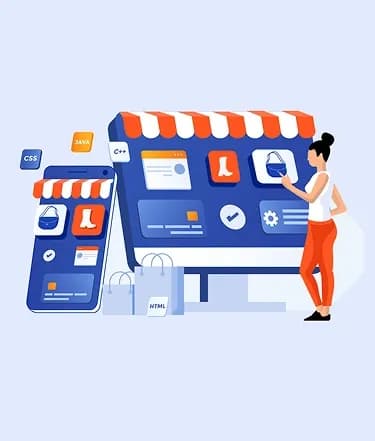
The digital storefront has undergone a massive shift as we move through 2026. Online shopping is no longer just about having a website; it’s about delivering an instantaneous, frictionless journey that feels personal and reliable. This evolution is being led by a technology that bridges the gap between traditional browsers and installed software. By merging the reach of the open web with the high-performance capabilities of mobile software, these modern tools allow businesses to engage customers without the friction of a download.
In 2026, the rise of "Edge-Native" architectures and AI-driven personalization has further propelled Progressive Web Apps (PWAs) into the spotlight. Retailers are now leveraging intelligent service workers that don't just cache data but predict user intent, pre-loading products before a customer even clicks. With 5G becoming the global standard, the expectation for "zero-latency" shopping has made this architecture a necessity. Furthermore, new biometric web APIs now allow for secure, passwordless checkouts directly within the browser, mirroring the security of high-end native applications. As mobile-first shopping becomes the global standard and storage-conscious consumers move away from "app fatigue," adopting this architecture is no longer an "extra" feature; it is the foundation of a successful, future-proof retail strategy.
Key Features of Progressive Web Apps (PWAs)
Better User Experience
The modern consumer expects a tactile, immediate response when they tap a screen. By 2026, the integration of WebAssembly (Wasm) and WebGPU has allowed these platforms to offer complex animations and 3D product visualizations that were previously only possible in native software. By utilizing advanced service workers and modern web APIs, these platforms provide a silky-smooth interface that mimics the responsiveness of high-end smartphone software. This fluidity removes the "clunkiness" often associated with mobile browsing, encouraging shoppers to explore deeper into product catalogs.
Higher Conversion Rates
Eliminating the "app store tax," the time and effort it takes to find and download an app directly impacts the bottom line. In 2026, the friction is further reduced by biometric web authentication, allowing users to complete purchases with a fingerprint or face scan directly in the browser. When the path from discovery to checkout is uninterrupted and lightning-fast, shoppers are significantly more likely to complete their purchase. Statistics from global leaders show that reducing friction in this way leads to massive spikes in completed transactions.
Faster Loading Times
In 2026, a one-second delay can mean a lost customer. These systems use predictive prefetching, where AI models analyze a user's browsing pattern to download likely next pages in the background. This ensures that the "shell" of the store loads instantly. By prioritizing critical assets, the storefront becomes interactive almost immediately, even if the user is on a congested 4G or 5G network.
Cost-Effective Development
Instead of hiring separate teams to build and maintain different versions for Apple and Android devices, businesses can now maintain a single, unified codebase. In 2026, the gap between web and native capabilities has narrowed so much that even complex enterprise tools use this model. This streamlined approach drastically cuts down on engineering overhead and ensures that every customer gets the same high-quality features simultaneously.
Better Visibility in Search Engines
Unlike software locked away in an app store, these platforms live on the open web. This means every product page and blog post is fully crawlable by search bots. In 2026, search engines prioritize "Core Web Vitals" even more heavily, giving these high-performance platforms a natural rankings boost. This synergy between "app-like" utility and SEO discoverability creates a powerful funnel for organic traffic.
No Need for App Store Approvals
The frustration of waiting days for a marketplace to approve a bug fix or a promotional update is gone. In 2026, Continuous Deployment is the standard, allowing developers to push updates to the server and have users see the changes the next time they open the site. This agility allows brands to react to market trends, such as flash sales or seasonal shifts, in real-time.
Less Data Usage
Modern consumers are conscious of their device storage and data limits. These web-based tools are incredibly lightweight, often taking up less than 1% of the space required by a traditional installation. In 2026, Adaptive Asset Loading ensures that high-resolution images are only served to devices that can support them, further saving data for users on limited plans.
Push Notifications for Re-Engagement
Direct communication is the key to retention. Brands can send personalized alerts regarding price drops, back-in-stock items, or abandoned baskets directly to a user's home screen. With 2026's Notification Triggers, these messages can now be context-aware, sending a reminder when a user is near a physical store location or when an item they liked is trending.
Easy Analytics Integration
Understanding the customer journey is simpler when you don't have to bridge the gap between web data and app data. Since the entire experience happens within a unified framework, businesses get a crystal-clear view of how users move from a landing page to a confirmed order. Modern 2026 platforms integrate Edge Analytics, processing user behavior locally to provide instant insights while protecting privacy.
Works in Low Connectivity
The "offline-first" philosophy ensures that a spotty internet connection doesn't kill a sale. By using persistent storage APIs, shoppers can continue to browse previously viewed items and manage their carts in tunnels or on airplanes. The system simply syncs the order once a stable connection is re-established.
Automatic Content Updates
There is no "Update" button for the user to click. Fresh content, new inventory, and security patches are delivered silently in the background using Background Sync APIs. This ensures that the storefront is always displaying accurate pricing and availability without any effort from the customer.
Secure and Safe
Security is non-negotiable in 2026. These platforms require end-to-end encryption via TLS 1.3 and modern protocols like HTTP/3, ensuring that sensitive payment information remains shielded. Furthermore, because they run in the browser's sandbox, they offer a layer of protection against unauthorized hardware access, building the trust necessary for high-value e-commerce transactions.
Easy Installation and Sharing
A simple "Add to Home Screen" prompt replaces the tedious login and download process of an app store. In 2026, these shortcuts are now deeply integrated with the OS, appearing in app drawers and task switchers just like native software. Furthermore, because the entire store is essentially a URL, users can share a specific product or a holiday gift list with a single link, making social commerce more effective than ever.
Hire Dedicated Developers Today!

Benefits of Progressive Web Apps (PWAs)

Faster Performance
By leveraging local caching and the latest HTTP/3 protocols, the storefront remains snappy and responsive even under heavy traffic. In 2026, the use of Edge Computing allows these apps to process data closer to the user, virtually eliminating latency. This technical efficiency reduces the likelihood of a user "bouncing" away to a competitor’s site out of frustration, ensuring that your first impression is always a fast one.
Better User Experience
Navigation is intuitive, with gestures, haptic feedback, and transitions that feel familiar to smartphone users. In the era of diverse hardware, this consistency across screen sizes ensures that a brand’s identity remains strong, whether viewed on a high-refresh-rate fold-out phone or a standard tablet. The implementation of Skeleton Screens further enhances the perception of speed, keeping users visually engaged while content populates.
Higher Conversion Rates
The combination of speed and a distraction-free environment creates a "buying zone" that mimics the focus of a native application. By integrating Web Payments API and one-tap checkout solutions, the friction of manual data entry is removed. When the tech gets out of the way, the products can shine, leading to a measurable lift in average order value and a significant decrease in abandoned carts.
Lower Development Costs
Consolidating resources into one project rather than three (web, iOS, and Android) allows companies to redirect their budget toward marketing and product innovation rather than redundant maintenance. In 2026, the cost of ownership is further reduced by the fact that a single security audit and one set of automated tests cover the entire user base, regardless of their device.
Cross-Platform Compatibility
The "write once, run anywhere" dream is finally a reality. Whether a customer is using a desktop browser, a smart wearable, or a mobile device, the experience adjusts dynamically to provide the best possible view. This universal reach ensures that no segment of your audience is left behind due to their choice of operating system or hardware.
Improved SEO
Because the content is linked via standard web addresses, it benefits from the decades of optimization built into modern search engines. In 2026, search algorithms place an even higher premium on Core Web Vitals and mobile interactivity, helping these high-performing platforms rank higher for competitive keywords compared to slow, traditional e-commerce sites.
Push Notifications
The ability to reach into a customer’s pocket with a timely, personalized offer is a game-changer for retention. Modern implementations now allow for Geofencing notifications, which trigger special offers when a user is near a physical branch. This transforms a one-time visitor into a loyal, repeat buyer by maintaining a constant, non-intrusive line of communication.
No App Store Approval Needed
Independence from third-party marketplaces gives businesses full control over their release cycles and customer relationships. You no longer have to worry about a sudden change in app store policies or a 30% commission on digital goods. This autonomy allows for rapid A/B testing and the immediate deployment of critical security patches.
Less Data and Storage Use
By remaining small and efficient, these tools respect the user’s hardware, making them more likely to be "kept" on the home screen long-term. In 2026, as users become more selective about what they download, the lightweight nature of this technology, often under 1MB, provides a massive competitive advantage over bulky native apps that consume gigabytes of space.
Increased User Engagement
When an interface is pleasant, fast, and works offline, people naturally use it more frequently. Features like integrated social sharing and persistent login states mean users spend less time authenticating and more time interacting with products. The ease of access provided by this technology leads to longer session times and a higher frequency of return visits.
Easy Installation
The low barrier to entry means more people will "install" the shortcut. By 2026, browsers have refined the installation prompts to be subtle yet effective, allowing a user to add the store to their home screen with a single tap from any page. This gives the brand a permanent, high-visibility spot on the user’s most-used device without the psychological hurdle of a "download."
Hire Dedicated Developers Today!
Examples of Successful Progressive Web Apps
Progressive Web Apps in Flipkart

As a pioneer in the space, India's retail giant solved the problem of "spotty" mobile data by launching a streamlined web experience. By 2026, Flipkart Lite will have become a benchmark for retention, with reports showing that nearly 60% of its PWA visitors are users who previously uninstalled the native app to save device space. They saw a massive surge in time spent on the site, three times longer than the previous mobile web experience, proving that when you make the web fast, people stay longer. Their strategy turned casual browsers into committed buyers by making the mobile web as reliable as a native installation, ultimately driving a 70% increase in conversions for users arriving via the "Add to Home Screen" shortcut.
Progressive Web Apps in 5miles

The local marketplace focused on the "Add to Home Screen" feature to drive loyalty and combat the rising cost of user acquisition in 2026. By making the platform feel like a permanent part of the phone, they slashed their bounce rates by a staggering 50%. Their success highlights how giving users a shortcut can lead to much more frequent interactions; users who install the PWA display 30% higher conversion rates and spend significantly more time browsing listings than those on the traditional mobile site.
Progressive Web Apps in Lancôme

The beauty industry thrives on visual appeal and speed. This luxury brand utilized the technology to capture mobile shoppers who were hesitant to download a dedicated app for occasional luxury purchases. By 2026, Lancôme’s PWA has achieved an 84% decrease in time until the page is interactive, a critical metric for retaining high-intent shoppers. The result was a smoother, more elegant shopping journey that reflected the brand’s high-end status, leading to a 17% jump in mobile conversions and a 53% increase in sessions specifically among iOS users, despite traditional limitations on Apple devices.
Progressive Web Apps in Jumia

Operating in markets across Africa where data costs remain high and speeds are inconsistent, Jumia used the technology to stay accessible to the "next billion users." By 2026, their PWA requires 25 times less storage space than their native counterpart, making it the preferred choice for budget-conscious consumers. By focusing on minimal data consumption, they engaged a massive demographic that was previously underserved, resulting in 12 times more traffic compared to their native apps and a 33% increase in conversion rates.
Progressive Web Apps in OLX

By prioritizing the "Time to Interact," this classifieds leader made buying and selling feel instantaneous. In the hyper-competitive marketplace of 2026, OLX reported that its PWA led to a 250% increase in re-engagement. The move to this architecture helped them capture users in emerging markets relying on 2G and 3G networks, reducing bounce rates by 80%. Their use of push notifications alone has become a primary driver for ad click-through rates, which saw a 146% uplift compared to older mobile web versions.
Progressive Web Apps in Trivago

The travel giant revolutionized how users search for deals on the go. By 2026, Trivago's PWA will allow travelers to view hotel details even when their signal drops, such as in an airport or on a train, ensuring that the search for the perfect stay never has to pause. This led to a 150% increase in engagement for users who added the app to their home screen. Remarkably, 67% of users whose sessions are interrupted by a lack of connectivity continue browsing the moment they come back online, showcasing the PWA’s role in maintaining a seamless "booking funnel" regardless of external network conditions.
Hire Dedicated Developers Today!
Future-Proofing Your Business with Progressive Web Apps (PWAs)
In the rapidly shifting landscape of 2026, simply "existing" online is no longer enough to guarantee survival. Retailers must look toward future-proofing their digital presence against increasing privacy regulations and the decline of traditional cookies. This technology offers a unique advantage by establishing a direct-to-consumer (DTC) channel that doesn't rely on third-party app stores or expensive middleman platforms. By owning the entire experience from the first web visit to the final home-screen interaction, businesses can build a resilient digital ecosystem.
- Direct-to-Consumer Independence: By bypassing the major app stores, your business regains full control over customer relationships, data collection, and profit margins, free from third-party "gatekeeper" policies or commission fees.
- Resilience Against Privacy Shifts: As 2026 sees the total phase-out of traditional cookies, these platforms utilize first-party data and modern storage APIs to maintain personalized experiences without compromising user privacy.
- Eco-Friendly Digital Presence: Efficiency is a top priority for the modern consumer; these apps support the "Green Web" movement by requiring less server-side processing and significantly lower energy consumption per session.
- Sustainable Data Management: They transmit only the most essential data packets, making your brand more accessible to eco-conscious shoppers and those in regions with strict data-usage limitations.
- Readiness for Emerging Hardware: Investing in this architecture prepares your brand for the next decade of innovation, ensuring seamless compatibility with spatial computing headsets, smart wearables, and foldable devices.
- Unified Brand Ecosystem: You can build a single, resilient digital storefront that evolves in real-time, ensuring that your business remains at the cutting edge of retail technology regardless of how hardware changes.
Strategic Implementation of Progressive Web Apps (PWAs): Moving Toward a Unified Digital Strategy
Transitioning to this modern framework is not just a technical update; it is a strategic shift toward a unified digital identity. In 2026, successful brands are moving away from fragmented "web-only" or "app-only" teams and moving toward a Single-Stream Development model. This allows for total brand consistency, where every promotion, product update, and security patch is synchronized across all user touchpoints instantly.
App Shell Architecture:
This involves prioritizing the core interface layout, such as the header, navigation bar, and footer, so it remains cached locally. This ensures that users receive an immediate visual response the moment the app is opened, regardless of network speed.
Service Worker Orchestration:
By implementing sophisticated background sync strategies, businesses can handle everything from silent inventory updates to complex analytics reporting. This background processing happens without interrupting the shopper's journey, making the experience feel truly native.
Seamless Transitioning:
Focus on designing a user journey where a visitor moving from a social media link to the storefront experiences zero friction. Smart installation prompts are timed to appear during high-intent moments, such as after a successful search or when adding an item to the cart, to maximize "Add to Home Screen" conversions.
Future-Proof APIs:
Forward-thinking retailers are utilizing the latest Web Bluetooth and Web USB APIs. These allow the digital storefront to interact directly with smart home devices, wearable tech, or in-store kiosks, effectively bridging the gap between digital convenience and physical retail experiences.
Decoupled Frontend Strategy:
Utilizing a "Headless" approach allows the interface to be updated independently of the backend. This means your storefront can adapt to new 2026 design trends or hardware requirements without requiring a complete overhaul of your e-commerce engine.
Streamlined Asset Delivery:
Implementing modern image formats like AVIF and WebP within the architecture ensures that high-definition product galleries load instantly. By serving optimized assets based on device capability, you reduce data costs for the user while maintaining a premium aesthetic.
Conclusion
In summary, the rapid evolution of Progressive Web Apps (PWAs) has redefined the standard for modern e-commerce. By 2026, the brands that successfully dominate the market are those that prioritize speed, accessibility, and a seamless user journey. These apps effectively eliminate the barriers of traditional software, offering a high-performance alternative that works offline, engages users through personalized notifications, and significantly lowers development overhead. As consumer expectations continue to lean toward "zero-latency" and mobile-first experiences, adopting this technology is the most effective way to future-proof your retail business and ensure long-term growth.
Ready to transform your digital storefront? You can Hire Dedicated Developers from our team to build a scalable, high-conversion solution tailored to your brand's unique needs. To get started on your next project and elevate your online presence, Contact Zignuts today, and let’s discuss how we can bring your vision to life.

Zignuts Technolab
Zignuts Technolab delivers future-ready tech solutions and keeps you updated with the latest innovations through our blogs. Read, learn, and share!