


.svg)

.svg)


.svg)

.svg)


Cloud adoption is no longer a competitive advantage — it’s the default. What is a competitive advantage in 2026 is how intelligently you manage cloud spend.
Welcome to FinOps 2.0 — where traditional cost tracking evolves into AI-powered cloud cost intelligence. This new era blends engineering, finance, and data science to move organizations from reactive cost reporting to real-time, predictive, and automated optimization.
From FinOps to FinOps 2.0
Traditional FinOps focused on:
- Visibility into cloud bills
- Budget tracking
- Manual rightsizing
- Monthly cost reviews
That worked when environments were smaller. But today’s cloud ecosystems across Amazon Web Services, Microsoft Azure, and Google Cloud Platform are:
- Highly dynamic
- Containerized
- Auto-scaling
- Multi-region
- Multi-team
Static dashboards can’t keep up.
FinOps 2.0 introduces AI as the decision engine behind cloud financial management.
What is AI-Driven Cloud Cost Intelligence?
AI-driven cost intelligence uses machine learning models and automation to:
✔ Predict future cloud spend
✔ Detect anomalies in real time
✔ Recommend optimization actions
✔ Automatically execute safe cost-saving changes
It transforms cloud financial management from reporting what happened to controlling what will happen.
Predictive Cost Forecasting (Beyond Static Budgets)
.png)
.png)
.png)
In FinOps 2.0, AI models analyze:
- Historical usage trends
- Seasonality (sales events, traffic spikes)
- Deployment patterns
- Business growth signals
Instead of simple linear projections, organizations now get:
“If this deployment pattern continues, your compute cost will increase 28% next quarter.”
This allows finance and engineering teams to act before overspending happens.
Real-Time Anomaly Detection
Cloud waste no longer waits for month-end reports.
AI systems now monitor telemetry across services like:
- Compute instances
- Kubernetes clusters in Kubernetes
- Storage growth
- Data transfer spikes
When abnormal behavior is detected:
- Sudden traffic surge
- Forgotten test environment running at scale
- Misconfigured autoscaling
Teams are alerted instantly — sometimes within minutes — not weeks.
This turns FinOps into a real-time operational discipline, not just a financial one.
Autonomous Optimization (The Game Changer)
%20(1).png)
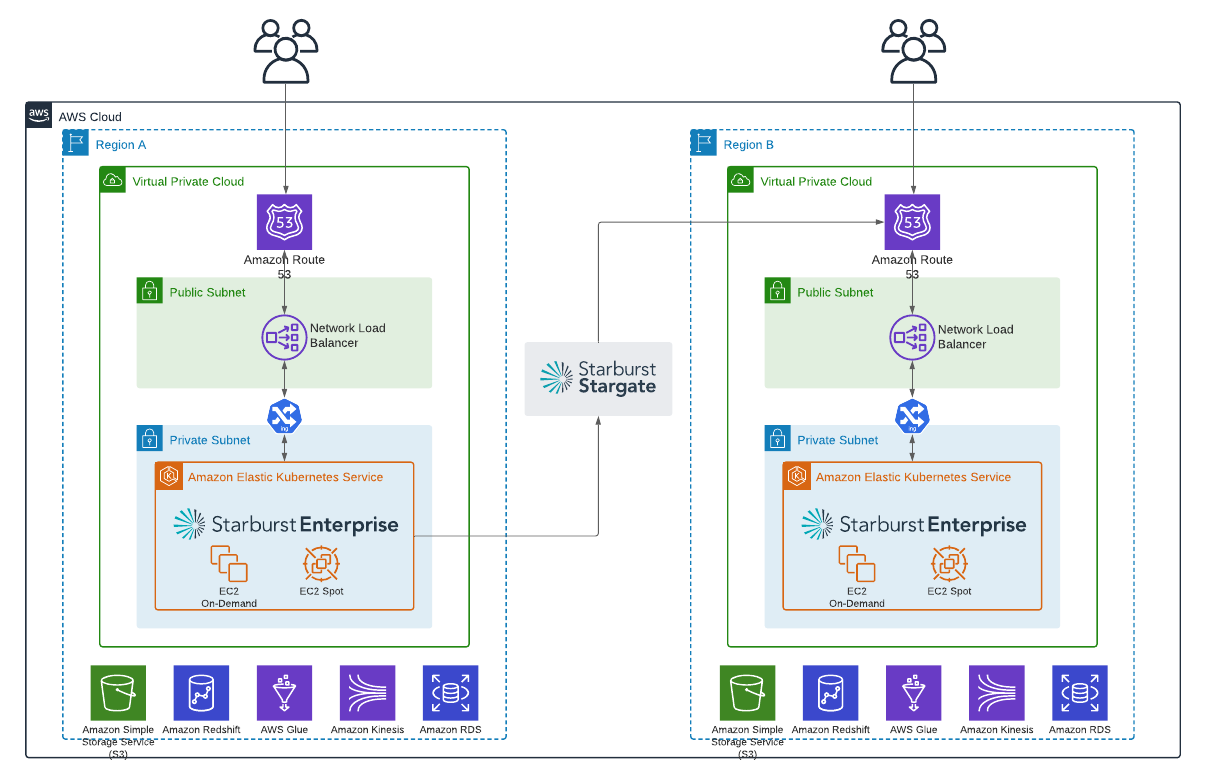
FinOps 2.0 doesn’t just suggest savings — it executes them safely.
AI-driven platforms can now:
- Downsize underutilized instances
- Shut down idle non-production environments
- Move workloads to cheaper regions
- Shift to spot or savings plans automatically
With policy guardrails in place, cost optimization becomes:
Continuous. Automated. Low risk.
Deep Cost Attribution at the Engineering Level
Modern systems are built on microservices, containers, and serverless. AI now maps cost to:
- Feature teams
- Individual applications
- Even specific product features
This level of granularity enables:
- True unit economics (cost per user, per API call, per transaction)
- Smarter product pricing decisions
- Engineering accountability without a blame culture
Cost becomes a design metric, not just a finance metric.
Ready to enhance your development and operations strategies? Start your project with Zignuts expert DevOps engineers.
**Hire now**Hire Now**Hire Now**Hire now**Hire now

FinOps Becomes a Shared Intelligence Layer
In FinOps 2.0, AI acts as a neutral, data-driven advisor across teams:
This aligns perfectly with principles promoted by the FinOps Foundation, but now powered by automation at scale.
Governance Without Slowing Innovation
One fear around cost control is reduced agility. AI flips this around.
Instead of manual approval chains:
- Policies define safe cost boundaries
- AI enforces them automatically
- Teams stay fast, while spending stays controlled
This creates guardrails, not roadblocks.
Business Impact of FinOps 2.0
Organizations adopting AI-driven FinOps are seeing:
- 15–35% reduction in cloud waste
- Faster financial forecasting cycles
- Better ROI visibility for digital initiatives
- Reduced firefighting by DevOps teams
- Stronger collaboration between engineering and finance
Cloud cost management is no longer just an operational task — it’s a strategic capability.
The Future: From Cost Optimization to Value Optimization
FinOps 2.0 is not about “spending less.”
It’s about spending smarter for maximum business value.
AI enables organizations to answer questions like:
- Should we scale this feature globally?
- Is this AI workload worth its infrastructure cost?
- Are we over-engineering for minimal user impact?
This is where cloud financial management evolves into cloud value intelligence.
Final Thoughts
In 2026, successful cloud organizations won’t just ask:
“How much are we spending?”
They’ll ask:
“Is every dollar in the cloud creating measurable value?”
FinOps 2.0, powered by AI, is how modern organizations ensure the answer is yes.





.webp)
.webp)
.webp)

.png)
.png)
.webp)
.webp)
.webp)


