

In 2026, the landscape to manage remote developers has evolved into a sophisticated blend of AI-driven automation and high-empathy leadership. Effective management now begins with AI-native orchestration, where project managers utilize autonomous agents to handle the "coordination tax" of distributed teams. Modern tools predict project bottlenecks 48 hours in advance by analyzing real-time repository patterns, allowing leaders to act proactively rather than reactively. This technological shift is complemented by spatial collaboration, where teams use VR/AR environments and spatial audio to recreate the serendipity of an office. By "walking through" 3D microservice architectures or holding virtual huddles in immersive workspaces, managers bridge the physical gap and foster deeper creative alignment.
Strategic leadership now prioritizes outcome-based accountability over traditional hours-based tracking. Organizations have shifted toward the SPACE framework (Satisfaction, Performance, Activity, Communication, and Efficiency), focusing on high-level system logic and architectural integrity. As AI handles the bulk of syntax generation, managers focus on "Human-in-the-Loop" code reviews and ethical AI governance to ensure system robustness. Furthermore, the role of the manager has shifted to that of a strategic enabler and coach, where fostering psychological safety and digital wellness is paramount. Predictive burnout analytics are now used to protect developers' "Deep Work" states, ensuring that a borderless team remains energized and innovative in a hyper-connected world.
Establish Clear Communication Channels to Manage Remote Developers
In 2026, communication is no longer just about sending messages; it’s about contextual orchestration. To effectively manage remote developers, you must provide a "single source of truth" where human intent meets AI execution, ensuring that knowledge flows instantly to where it is needed most without creating notification fatigue.
Hybrid Communication Stack:
Use a mix of Spatial Audio platforms (like Gather or NeuralCollab) for "passive" presence, allowing for spontaneous "desk-side" chats, and Async Video Memos for technical handoffs. By 2026, these tools will integrate VR-enabled whiteboarding to allow developers to collaboratively inspect and debug 3D architecture diagrams in real time.
AI-Driven Orchestration:
Implement Connected Intelligence agents that act as "digital co-workers." These agents do more than record; they automatically maintain Knowledge Graphs, record architectural decisions, and translate technical jargon across multi-language teams. This ensures that a developer in Tokyo has the exact same context as one in New York without requiring a synchronous handoff.
Agentic Stand-ups & Triage:
Transition from manual status meetings to AI-managed stand-ups. Agents now collect individual progress from Git commits and project boards to generate automated summaries, flagging blockers and predicting code conflicts before they occur in the sprint.
Contextual Search & Discovery:
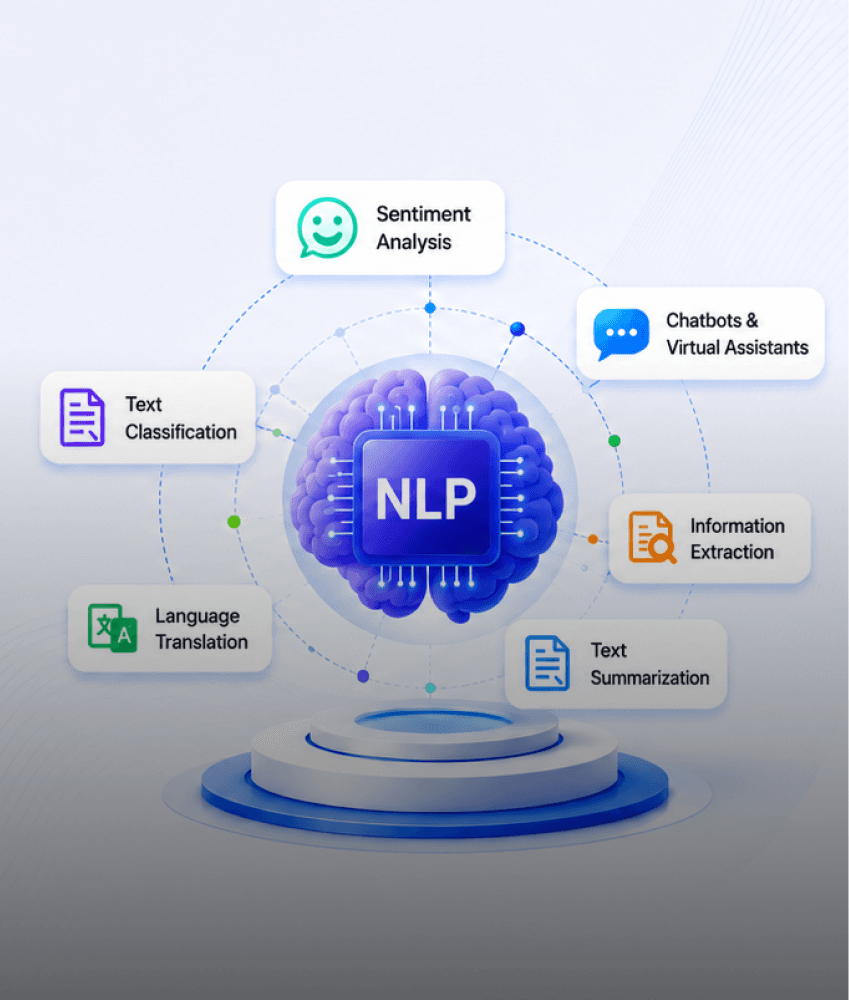
Utilize Natural Language Processing (NLP) tools that allow developers to search across past conversations, Slack threads, and video transcripts instantly. This reduces "self-distraction" by allowing team members to find answers to complex bugs independently.
Communication SOPs & The "Deep Work" Shield:
Establish strict protocols for "Emergency vs. Routine" pings. In 2026, successful managers use AI-powered "gatekeepers" that batch non-urgent notifications and only break a developer’s focus for high-priority incidents, protecting the cognitive state vital for complex engineering tasks.
Use Project Management Tools to Manage Remote Developers
Modern project management has shifted from static task lists to Dynamic Agentic Workflows. To effectively manage remote developers in 2026, tools must do more than track; they must predict and prescribe.
Predictive Scheduling & Risk Scoring:
Use AI-driven platforms like Linear, Next-Gen Jira, or Asana Intelligence that analyze historical velocity and real-time repository patterns. These tools now automatically adjust sprint deadlines and apply Dynamic Risk Scoring, flagging potential bottlenecks 48 hours before they occur by identifying "stuck" PRs or declining commit frequency.
Automated Dependency Mapping:
Ensure your tools can visually map microservice and application dependencies across different remote teams. In 2026, Discovery and Dependency Mapping (DDM) tools will provide real-time visibility into how a change in a core API impacts distributed services, preventing the "silo effect" and cascading failures common in complex remote environments.
Agentic Resource Allocation:
Utilize Prescriptive AI that recommends task reassignment based on developer skill sets, current cognitive load, and time zone availability. These agents act as "digital advisors," suggesting the most efficient staffing levels to maintain momentum without human intervention.
Automated Documentation & Recap:
Implement tools that integrate directly with your IDE and chat apps to generate Autonomous Project Checkups. By 2026, project management suites will automatically draft status summaries and action items from missed comments and status changes, keeping remote developers aligned without the need for constant "status update" meetings.
Smarter Work-Intake & Prioritization:
Use AI to interpret high-level directives into measurable Smart Goals. Modern platforms can parse vague instructions into actionable task lists, ensuring that remote engineers who may be working while you sleep always have a prioritized backlog that aligns with the broader organizational strategy.
Set Clear Goals and Expectations to Manage Remote Developers
In an era where AI can generate a majority of code, managing by "lines of code" or "active hours" is obsolete. To effectively manage remote developers in 2026, you must shift toward Outcome-Based Metrics and Strategic Ownership, focusing on the value added rather than the volume of characters typed.
SMART 2.0 Goals & AI-Efficiency Metrics:
Traditional goals have evolved into SMART 2.0, which incorporates "AI-Efficiency" and "Code Sustainability." When you manage remote developers, expectations should center on how effectively they leverage AI tools to reduce technical debt and how sustainable their solutions are for long-term system health. Metrics now focus on the "Review-to-Commit" ratio and the robustness of the architectural logic.
Outcome-Based Ownership Paradigms:
Move away from assigning individual tickets and toward assigning System Outcomes. Every developer should "own" a specific functional area or user experience goal. This fosters high-level accountability and ensures that even without direct supervision, remote engineers are making decisions that align with the final product's success.
Definition of Done (DoD) in the AI Era:
Update your expectations for "Done" to include mandatory AI-risk assessments and automated security scans. To manage remote developers properly, the expectation is no longer just "it works," but "it is secure, documented by AI, and passes all autonomous regression suites."
Contribution to Developer Experience (DevEx):
Set clear expectations for developers to contribute to the team’s internal toolset. Recognition should be given to those who build or refine the AI prompts and automation scripts that make the entire remote team faster.
Transparent Success Rubrics:
Use real-time dashboards that show how individual contributions impact the Value Stream. This transparency allows remote developers to self-correct and align their efforts with organizational priorities without waiting for a weekly one-on-one.
Foster a Sense of Community to Manage Remote Developers
Isolation remains the greatest threat to retention in a distributed world. To effectively manage remote developers in 2026, you must transcend basic chat apps and build a "Digital Headquarters" that facilitates genuine human connection and shared identity.
Spatial Teambuilding & Immersive Collaboration:
Host monthly VR Hackathons or architectural walk-throughs in 3D environments using spatial computing. By "walking through" a code base or system diagram together in a virtual war room, you replace the sterile screen-share with a collaborative experience that builds collective memory and breaks the monotony of isolation.
AI-Enhanced Social Connectivity:
Utilize Social Presence Agents that suggest "Micro-Connect" opportunities. These AI tools can pair developers for 15-minute virtual coffee chats based on shared non-work interests such as gaming, sustainable tech, or music, ensuring that even the most introverted remote engineers feel woven into the social fabric of the company.
Humanizing the Digital Avatar:
Maintain dedicated non-work spaces for "AI-Generated Art Contests," local life vlogs, or "Pet Stand-ups." To manage remote developers as people rather than just resources, you must encourage the sharing of local cultures and personal milestones, which humanizes the avatars behind the code and builds long-term loyalty.
Gamified Achievement Ecosystems:
Implement a team-wide "Experience Point" (XP) system where developers earn badges for cross-functional help, mentoring, or contributing to internal open-source projects. This gamification creates a healthy sense of competition and public recognition, which is vital for morale when physical "pats on the back" aren't possible.
Hybrid "Hub" Events:
While the work is remote, consider sponsoring "Regional Micro-Hubs" where developers living in the same geographic area can meet at co-working spaces. Providing the budget for these occasional in-person "high-bandwidth" social interactions reinforces the bonds formed in the digital headquarters and drastically reduces the feeling of "working in a vacuum."
Hire Dedicated Developers Today!

Encourage a Healthy Work-Life Balance to Manage Remote Developers
The "always-on" nature of 2026 can lead to rapid burnout if left unchecked. To effectively manage remote developers, you must move beyond generic wellness advice and act as a proactive guardian of your team's cognitive load and personal time.
Predictive Burnout Analytics:
Utilize non-intrusive AI tools that monitor "Digital Exhaustion" signals. By 2026, advanced systems will analyze behavioral shifts such as consistent late-night commits, declining sentiment in chat interactions, or "fragmented focus" (excessive app-switching) to flag fatigue before it leads to resignation. These insights allow you to intervene with "forced" rest days or workload rebalancing.
Enforced "Right to Disconnect" Protocols:
Implement automated "gatekeeper" agents that enforce work-life boundaries. In 2026, this means AI-managed notification muffling, where all non-emergency production alerts are automatically rerouted or queued outside of a developer's agreed-upon local working hours. This ensures that the "psychological commute" remains intact, even without a physical office.
The "Fluid Workday" Model:
Shift from rigid 9-to-5 schedules to a "Results-Only" environment that honors individual energy rhythms. To manage remote developers effectively, allow for "Deep Work" blocks and "Asynchronous Recovery" periods. If a developer is most productive at 5 AM, your management style should support a mid-afternoon shutdown to prevent the 2026 phenomenon of "Hybrid Creep."
Digital Wellness Stipends & Ergonomics:
Provide specific budgets for "Mental Fitness" tools, such as wearable bio-sensors that track stress levels or subscriptions to immersive VR meditation apps. Ensuring your remote team has high-end ergonomic setups (standing desks, 4K monitors, and noise-canceling hardware) is no longer a perk; it is a baseline requirement to prevent the physical strain that contributes to mental fatigue.
Scheduled "Meeting-Free" Sprints:
Mandate recurring "Deep Focus" weeks where all synchronous video calls are banned. This allows remote engineers to enter a "flow state" without the interruption of the digital "tap on the shoulder," significantly reducing the cognitive switching cost that drives modern burnout.
Provide Feedback and Recognition to Manage Remote Developers
Feedback in 2026 has moved beyond the static "Annual Review" and into the realm of Continuous Growth Loops. To effectively manage remote developers, you must leverage data-informed insights and real-time recognition to keep distributed teams motivated and aligned without the need for physical proximity.
Automated Peer Praise & "Micro-Kudos":
Use integrated recognition tools (like Bonusly or Matter) that live directly within the developer's workflow. By 2026, these tools will allow teammates to give instant "Micro-Kudos" for high-quality code reviews, helpful documentation, or bug squashing directly inside the IDE or Pull Request. This creates a visible, real-time culture of appreciation that is often lost in remote environments.
AI-Generated Growth Insights:
Move away from subjective performance opinions and toward Data-Informed Skill Evolution. Modern platforms analyze repository metadata to provide developers with personalized "Skill Heatmaps." For example, an AI agent might notify a developer: "Your Rust memory safety efficiency has improved by 20% this month," providing a tangible sense of progress and mastery.
Predictive Coaching & AI Virtual Mentors:
Implement AI Virtual Feedback Coaches that analyze speech patterns and sentiment during 1:1 meetings or technical demos. These agents provide private, real-time guidance to managers on how to frame constructive feedback more effectively, ensuring that remote conversations remain supportive and psychologically safe.
360° AI-Summarized Reviews:
Instead of a single manager's viewpoint, utilize AI to aggregate feedback from peers, cross-functional stakeholders, and even AI "co-workers." By 2026, these summaries highlight consistent strengths and recurring growth areas, providing a holistic view of a remote developer's impact on the entire ecosystem.
Gamified Career Pathing:
Foster long-term engagement by linking feedback to a Gamified Career Map. As remote developers hit specific "Value Milestones" such as reducing system latency or mentoring junior engineers, they unlock "Experience Points" (XP) and digital badges that correlate with actual promotion and compensation cycles, making the path to advancement transparent and objective.
Foster a Strong Team Culture to Manage Remote Developers
Culture is the "glue" of a distributed team. In 2026, you must move beyond passive "vibe checks" and intentionally design a shared identity that survives across borders, languages, and digital interfaces. To effectively manage remote developers, culture must be built through deliberate rituals and structural transparency.
Value Alignment & Behavioral Hiring:
Ensure every hire is vetted not just for their technical stack, but for their culture-add and ability to thrive in an autonomous, high-transparency environment. To manage remote developers successfully, prioritize candidates who demonstrate "low-ego/high-accountability" and a natural proficiency for asynchronous documentation.
Open Contribution & "Impact Beyond the Sprint":
Encourage developers to dedicate 10% of their time to open-source or cross-departmental projects. By supporting contributions to the global tech ecosystem, you build a sense of broader impact and purpose. This practice helps manage remote developers by keeping their skills sharp and providing a "playground" for innovation that benefits your internal codebase.
Shared Context over Over-Communication:
High-performing teams in 2026 prioritize shared context over message volume. Instead of constant pings, use "Living Documents" and "Decision Logs" that allow any remote engineer to understand the why behind a project at any time. This reduces tribal knowledge and ensures that time-zone differences never become a barrier to progress.
Rituals of "Passive Serendipity":
Recreate the "water cooler" effect with digital rituals such as Spatial Office Hours or "Workspace Tours." To manage remote developers with a human touch, implement lightweight traditions like "Weekly Win Threads" or global virtual lunches where team members share a dish from their specific region.
Mentorship Buds & Peer Buddy Systems:
Pair new remote hires with a "Cultural Buddy," someone outside their immediate reporting line who helps them navigate the unspoken norms of the organization. This accelerates the onboarding process and ensures that no developer feels like an isolated "resource" during their first critical months.
Transparent Recognition Cycles:
Publicly celebrate not just the "what" (shipped features) but the "how" (helping a teammate, refactoring messy code, or improving documentation). Using value-tied recognition ensures that your remote culture remains anchored in the principles that drive long-term engineering excellence.
Embrace Technology to Manage Remote Developers
Technology is no longer just a support system; it is the vital infrastructure of your leadership. To effectively manage remote developers in 2026, you must stay at the bleeding edge of Developer Experience (DevEx) tools that eliminate friction and foster high-velocity innovation across borders.
Spatial Computing & Collaborative War Rooms:
Provide your team with the latest spatial headsets (like Apple Vision Pro or Quest 4) to transform complex debugging sessions. In 2026, "screen sharing" has been replaced by immersive 3D environments where developers can "walk through" microservice meshes or visualize neural network architectures together, recreating the high-bandwidth collaboration of a physical war room.
AI-Native IDEs & Agentic Coding Assistants:
Standardize your team on AI-first code editors like Cursor or Windsurf. These tools do more than just autocomplete; they possess deep architectural awareness, allowing them to perform sweeping refactors and automated module migrations. To manage remote developers is to ensure they are equipped with agents that handle the cognitive load of boilerplate, leaving them free for high-level system design.
Secure Edge Computing & Zero-Trust Infrastructure:
Utilize decentralized VPNs and Secure Access Service Edge (SASE) frameworks to ensure that "Remote" never means "Insecure." In 2026, security is predictive, leveraging AI-driven anomaly detection and biometric MFA (FaceID/Passkeys) that replaces vulnerable passwords. This allows your engineers to access sensitive production environments from anywhere in the world with hardware-level encryption.
Internal Developer Platforms (IDP):
Implement self-service platforms like Qovery or Backstage that allow remote engineers to spin up fresh, cloud-native development environments in seconds. By 2026, "paved paths to production" are essential; they ensure that a developer in London and a developer in Singapore are working on identical, compliant infrastructure without manual setup delays.
Observability & Engineering Intelligence:
Move beyond basic monitoring to Software Engineering Intelligence (SEI) platforms like LinearB. These tools provide real-time visibility into cycle times and "PR health," allowing you to manage remote developers by identifying where the process, not the person, is slowing down, ensuring the team remains in a state of flow.
Challenges of Managing Remote Developers and How to Overcome Them
While the advantages are vast, the 2026 landscape introduces unique friction points that require a modern playbook to solve.
The AI-Dependency & "Logic Drift" Trap:
The primary challenge in 2026 is AI dependency. When developers lean too heavily on autonomous agents, they risk "Logic Drift," a phenomenon where codebases become syntactically correct but conceptually flawed. To overcome this, implement "Human-in-the-Loop" (HITL) architecture reviews. Mandatory deep-dive logic sessions and "First Principles" testing should be part of every sprint to ensure the human architect remains in total control of the system's "soul."
Work Intensification & "Vampire Shifts":
The borderless nature of 2026 often leads to "after-hours leakage," where remote work bleeds into personal recovery time. Solve this through Sync-Light, Async-Heavy workflows. Utilize AI-driven "follow-the-sun" handoffs so that no developer is forced into unhealthy schedules. Use automated scheduling agents to find 2-hour "Golden Windows" of overlap for vital syncs, while keeping the rest of the day protected for heads-down work.
The Trust-Visibility Paradox:
Without a physical office, some managers fall into the trap of "digital micromanagement." To effectively manage remote developers, replace invasive tracking with Engineering Intelligence (EI) platforms. These tools focus on flow health, identifying stuck PRs or high-complexity bottlenecks, allowing you to support your team as a coach rather than a police officer.
Cultural & Global Silos:
Information silos form easily in distributed environments. Counteract this with Knowledge Graphing. Use AI tools that automatically link Slack discussions, Git commits, and video transcripts into a searchable, living documentation hub, ensuring "tribal knowledge" is accessible to every developer regardless of their location.
Tips for Hiring and Building a Successful Team to Manage Remote Developers
Building a world-class remote team in 2026 requires a shift from vetting for "raw coding" to vetting for "collaboration agility."
Vetting for "Full-Stack Communicators":
In a remote-first world, a developer's ability to explain why they wrote a piece of code is as important as the code itself. Look for candidates who can document as well as they program. During interviews, test for "Prompt Literacy" on how well they direct AI to solve problems and their ability to articulate complex technical decisions in asynchronous formats like video memos or markdown files.
The 1-Week Paid Trial Sprint:
Before a full-time commitment, run a Paid Trial Sprint. Use your actual 2026 toolset spatial headsets, agentic project boards, and AI-native IDEs to see how the candidate adapts to your specific culture. This reveals more about their remote-readiness, reliability, and "cultural add" than any traditional whiteboard test could.
Automated Global Compliance & Payroll:
Don't let administrative friction slow your hiring. Utilize Employer of Record (EOR) platforms like Deel, Remote, or Rise to handle international tax, benefits, and labor laws automatically. In 2026, these platforms will even support hybrid fiat-crypto payroll and localized IP protection, allowing you to hire the best talent in 190+ countries within 48 hours.
Assessment of "Remote Grit":
Prioritize self-starters who have a proven track record of working autonomously. Ask specific behavioral questions about how they manage their "Deep Work" schedules and how they stay connected to their team's vision without a physical manager present.
Conclusion
To successfully lead in 2026 requires a radical shift from "Overseer" to "Orchestrator of Hybrid Intelligence." As the boundary between human creativity and autonomous execution blurs, your primary value as a leader lies in your ability to harmonize these forces. Many organizations find that the most effective way to scale this vision is to Hire dedicated developers who possess both the technical depth to manage agentic workflows and the soft skills to thrive in decentralized environments. By setting crystal-clear expectations and leveraging predictive AI tools, you can achieve results like zero-latency global deployments and self-healing codebases that were once impossible in a traditional office.
The future of engineering management is no longer defined by the ability to monitor tasks, but by the ability to curate intent. This means moving beyond "Vibe Engineering" to disciplined, data-backed leadership. You must remain an advocate for "Human-Centric Governance," ensuring that while AI accelerates the pace of work, it never erodes the psychological safety or the ethical standards of your organization.
Ultimately, the competitive edge in an AI-standardized world belongs to those who lead with high-tech precision and high-touch empathy. By treating technology as your infrastructure and human connection as your "glue," you will build a resilient, high-velocity engineering culture that thrives in the decentralized era.
Ready to build your high-velocity engineering team? At Zignuts, we help you bridge the gap between human talent and AI-driven efficiency. Visit our Contact Us page today to learn how we can help you scale your next project with precision and expertise.

Zignuts Technolab
Zignuts Technolab delivers future-ready tech solutions and keeps you updated with the latest innovations through our blogs. Read, learn, and share!